In Serbia, coffee is not just a beverage. It is a social structure, a daily ritual, and a cultural code. When someone says, “Stop by for coffee,” it rarely means just drinking coffee. It means connection. It means conversation. It means time intentionally shared.
Coffee in Serbia is slow. It is rarely rushed, rarely taken “to go,” and almost never treated as a purely functional drink. Instead, it creates space. Space to talk, to reflect, to negotiate, to laugh, or even to sit in silence together. In many ways, coffee acts as a social bridge. It softens difficult conversations, strengthens friendships, and marks important moments in everyday life.
Historical Background: Ottoman Influence and Identity
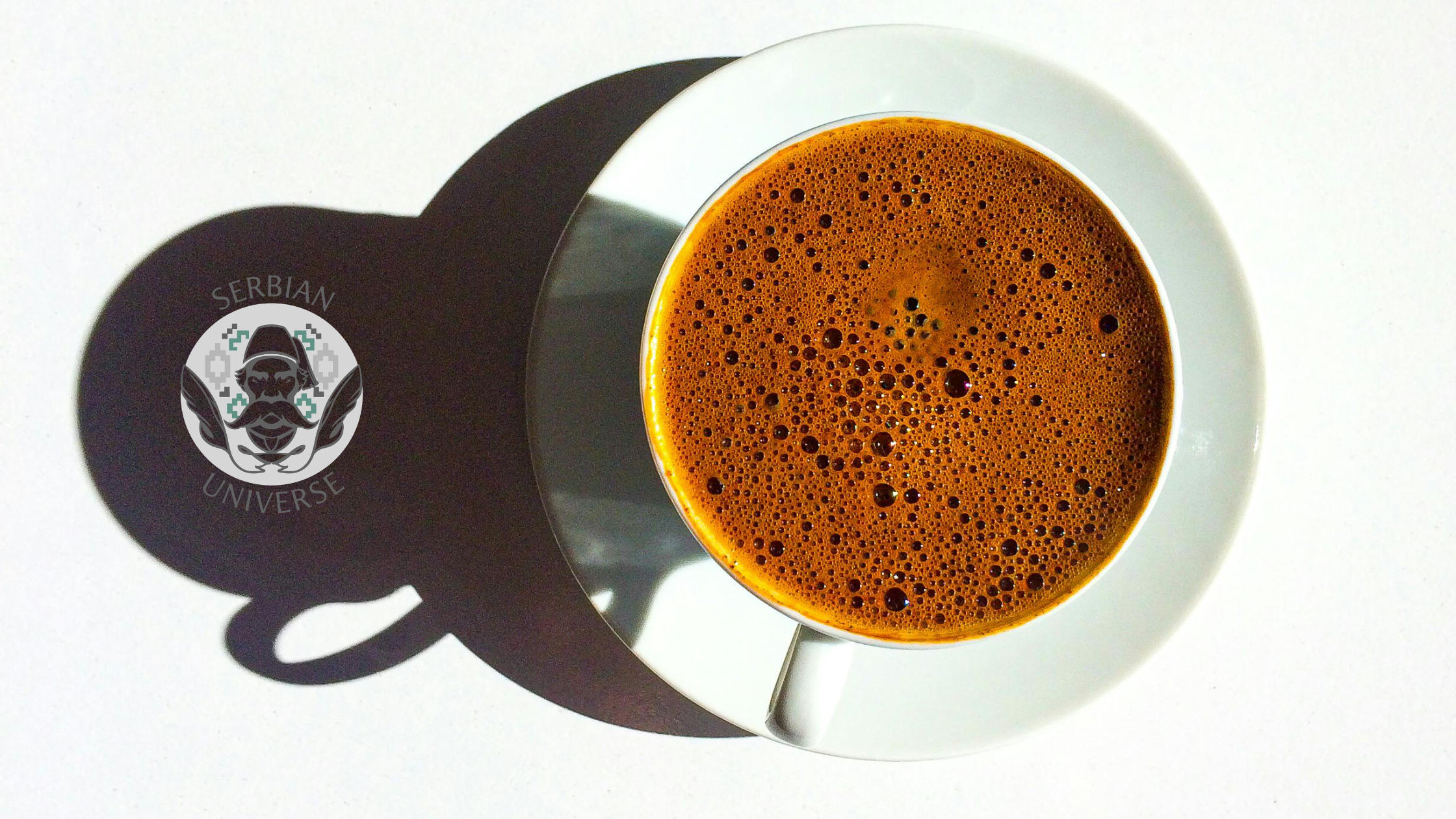
The tradition of coffee drinking in Serbia developed during the period of Ottoman rule (15th–19th century). Coffee arrived in the Balkans through the Ottoman Empire, and with it came the method of preparation that is still widely used today. Serbian coffee is prepared in a small metal pot called a džezva. The process is deliberate: water is heated slowly, finely ground coffee is added, foam rises carefully to the top. It is not simply made, it is prepared!
Although many people outside the region call it “Turkish coffee,” in Serbia it is often referred to as domaća kafa (domestic coffee). This linguistic shift reflects something important: the drink has become part of national identity. What was once imported is now internalized. Coffee is therefore both historical and symbolic, a reminder of cultural layering in the Balkans.
Coffee as a Psychological and Social Space
Coffee in Serbia represents:
the beginning of the day
a pause from obligations
an invitation to trust
a moment of emotional openness

When someone says, “Ajde na kafu” (“Let’s go for coffee”), the phrase functions as a social signal. It implies conversation, not caffeine. In professional settings, many informal business agreements begin over coffee. In personal relationships, coffee is often the first step in getting to know someone. It provides a neutral, comfortable environment. Unlike fast-paced coffee cultures in some Western countries, Serbian coffee culture values presence over productivity.
Dialogue for Practice
(B2 Level – Conversation & Cultural Context)
Below is a short dialogue in Serbian. Read it carefully and try to understand the cultural meaning behind the words.
Milica: Da li ti je ikada palo na pamet da je kafa kod nas više ritual nego navika?
Stefan: Jeste, posebno kada vidim koliko vremena ljudi provedu sedeći uz jednu šolju.
Milica: U drugim zemljama kafa je nešto što se popije usput.
Stefan: Kod nas je obrnuto. Ako sedneš na kafu, to znači da si odlučio da ostaneš.
Milica: I da razgovaraš, možda i o važnim stvarima.
Stefan: Upravo tako. Kafa je samo povod, odnos je suština!
Grammar & Language Exercises
1. Present Tense
Find three verbs in the present tense in the dialogue above.
Write their infinitive forms.
Example: sedneš → sesti
2. Reflexive Verbs
Identify one reflexive verb from the dialogue.
Explain its function in the sentence.
3. Meaning & Interpretation
What does the sentence “Kafa je samo povod, odnos je suština” mean in your own words?
4. Writing Task
Write a short paragraph (6–8 sentences) answering the question:
Is coffee in your culture a social ritual or a practical habit?
Compare it to Serbian coffee culture.
If you would like the answers or want to practice this topic in conversation, send us a message or book a lesson and explore Serbian culture through language 💙